S.J. Phillips
S.J. Phillips Ltd
26 Bruton Street - 2nd Floor
W1J 6QL London
United Kingdom
T +44 20 76 29 62 61
F +44 20 76 91 74 45
E-mail address: shop@sjphillips.com
Registered in:
England & Wales No.10539688
- Contact
-
S.J. Phillips Ltd
26 Bruton Street - 2nd Floor
W1J 6QL London
T +44 20 76 29 62 61
F +44 20 76 91 74 45
E shop@sjphillips.com
Copyright © 2026. SJ Phillips Ltd. | designed and powered by MasterArt
- Latest acquisitions
-
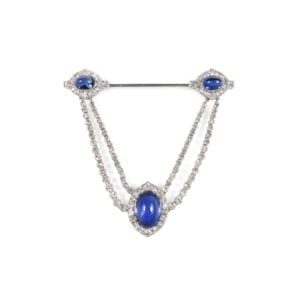
Early 20th century cabochon sapphire and diamond cluster swag jabot pendant brooch by Cartier, Paris c.1915,
-
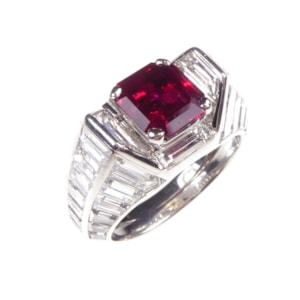
Mid-20th century Burma ruby and baguette diamond cluster ring of architectural design, French c.1940, the trap-cut square 1.90ct Burma ruby,
-
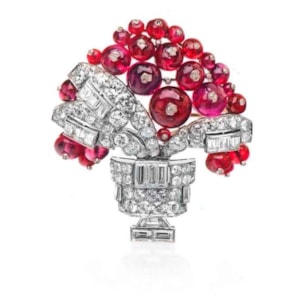
Cabochon ruby, diamond and baguette diamond vase of flowers brooch, French,
- Latest acquisitions
-
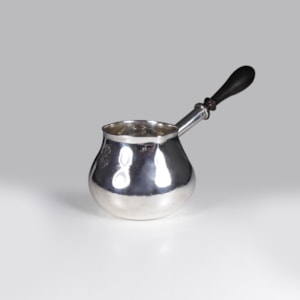
Queen Anne silver brandy pan by Robert Timbrell & Joseph Bell I, London 1710,
-
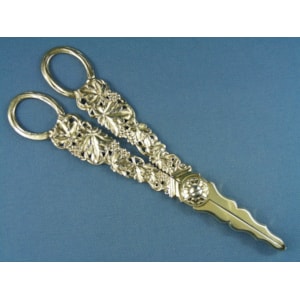
Pair of George IV silver gilt grape scissors by John Reily, London 1823
-
Pair of George III silver twin trolley coasters by John Beldon, London 1792,
- Latest acquisitions
-
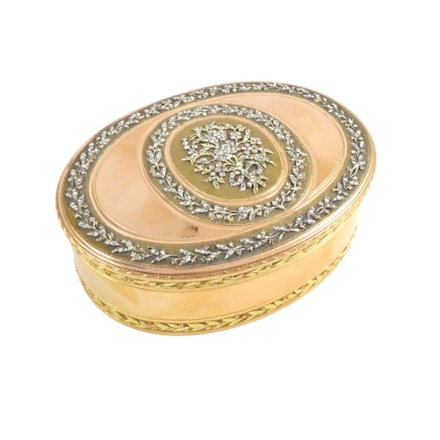
Empire French gold box in the form of a book, Paris 1819-1838, maker's mark for CP with an inverted 'I' symbol between,
-
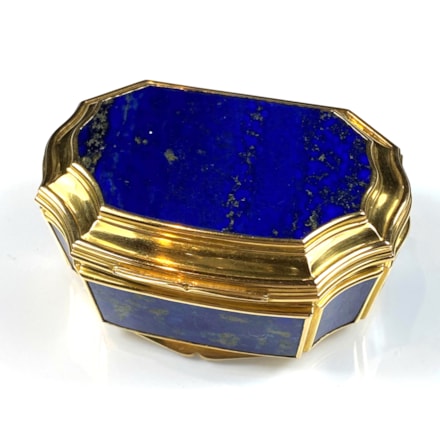
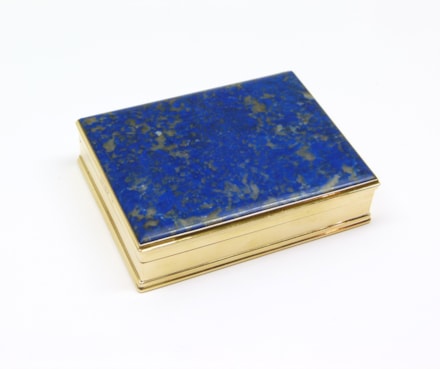
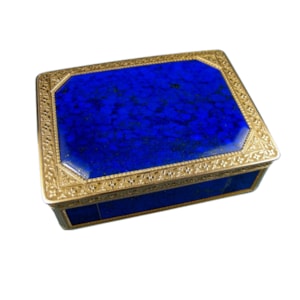
Antique French gold mounted lapis lazuli rectangular snuff box by Adrien-Jean-Maximilien Vachette, Paris c.1798,
-
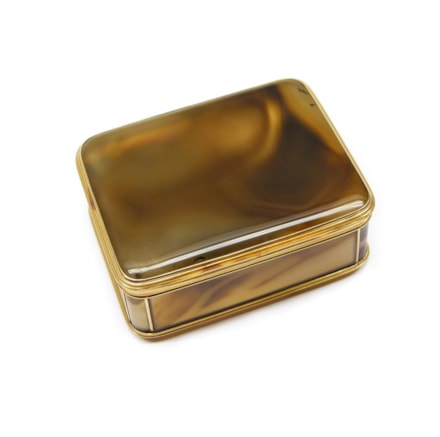
18th century banded agate and gold mounted rectangular box, English c.1760,